
Hair Patch Care in Humid Climate: Kerala Scalp & Maintenance Guide
Mastering Hair Patch Comfort in Kerala's Tropical Climate
Thiruvananthapuram's coastal topography creates a distinct microclimate: high humidity year-round, intense tropical warmth, and heavy monsoon rains. For anyone wearing a non-surgical hair replacement system, understanding how moisture impacts adhesive bonding and scalp comfort is vital.
A common misconception is that hot weather causes hair patches to peel or itch uncontrollably. In reality, with the right breathable lace base and medical-grade waterproof polymers, you can navigate Kerala summers and monsoons with complete ease and zero odor.
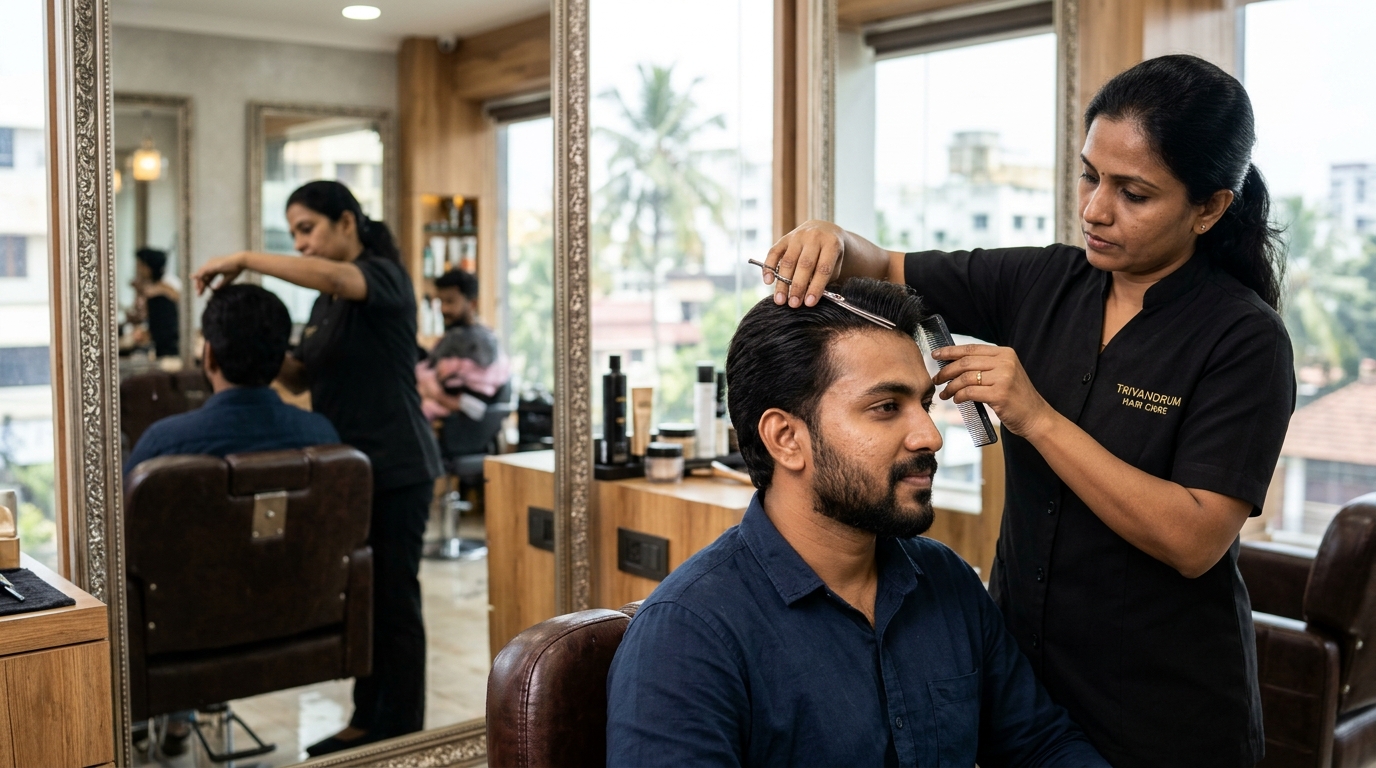
What You Will Learn from This Guide
Waterproof Co-Polymer Adhesives
Modern medical adhesives like Ultra Hold and Ghost Bond form a cross-linked moisture barrier impervious to sweat.
Lace Breathability is Essential
Microscopic pores in Swiss and French lace allow scalp heat and perspiration to evaporate naturally.
Disciplined Scalp Hygiene Prevents Odor
Washing 2 to 3 times weekly with tea-tree and antimicrobial cleansers keeps the scalp fresh and itch-free.
Post-Rain and Post-Beach Care
Always rinse coastal sea salt with fresh water and pat dry with microfiber towels to protect virgin hair cuticles.
How Waterproof Medical Bonding Resists Sweat and Humidity
Many clients worry that sweat emerging from their scalp will dissolve the adhesive bond. This is scientifically impossible with modern dermatological co-polymers.
Formulations such as Ghost Bond XL and Ultra Hold contain waterproof acrylic or silicone polymers that cross-link into a solid, flexible moisture barrier during curing. Perspiration passes out through the micro-pores of breathable lace, while the adhesive perimeter remains completely water-impermeable.
Combating Scalp Moisture, Itchiness, and Odor
In tropical Kerala, sebum, dead skin cells, and sweat can accumulate beneath any surface if hygiene is neglected. Maintaining an itch-free scalp requires a disciplined wash routine:
Recommended Scalp Hygiene Routine
Follow these proven hygiene guidelines:
- •Wash Twice Weekly: Use an anti-dandruff or tea-tree shampoo that contains zinc pyrithione or natural antimicrobial agents.
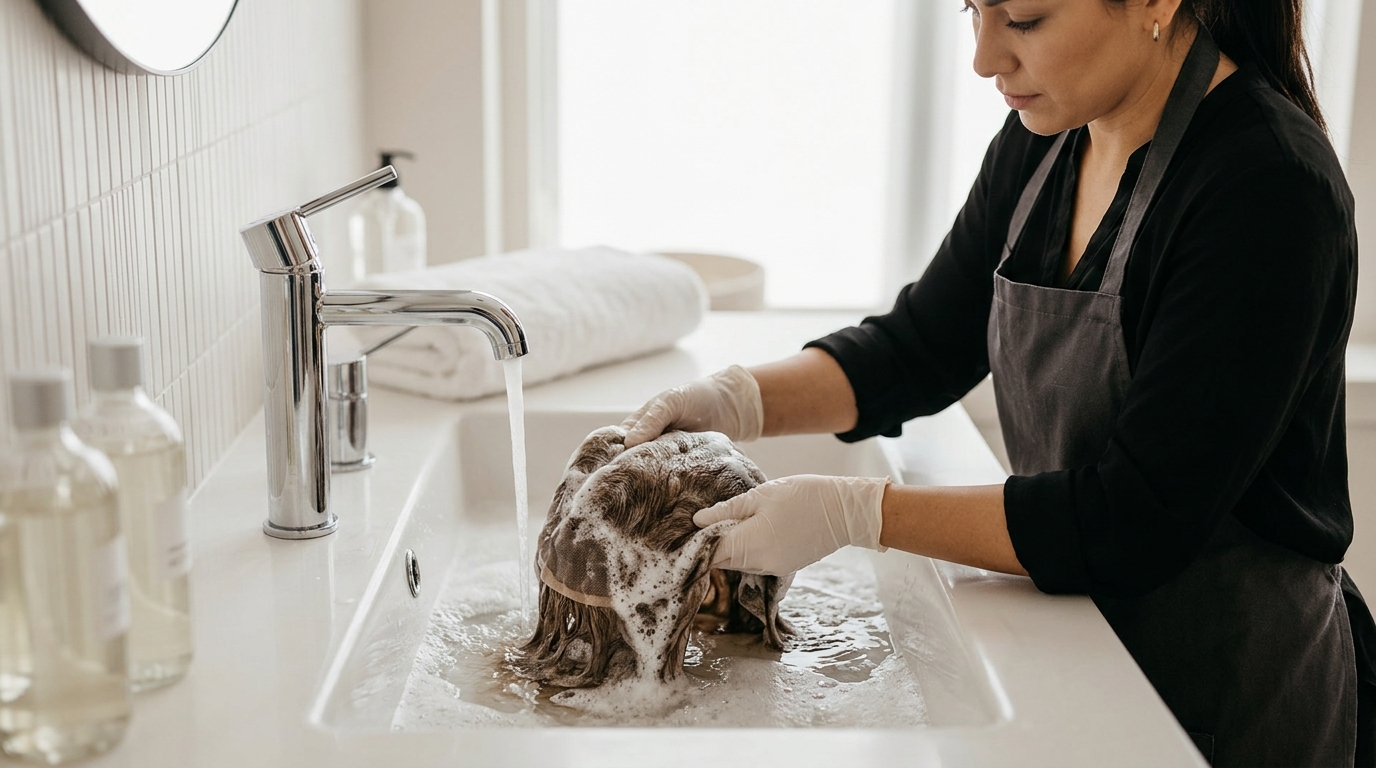
- •Downward Rinsing: Always rinse with cool water in a gentle downward direction from crown to tips without vigorous circular rubbing.
- •Microfiber Pat-Drying: Never rub your hair aggressively with a coarse towel. Gently pat dry with a microfiber towel to absorb excess moisture.
- •Cool Air Blow-Drying: If using a hairdryer, set it to the cool or ambient air setting to evaporate remaining base moisture without heating the adhesive.
Monsoon Rains, Helmet Commutes & Coastal Beach Care
Riding through Thiruvananthapuram traffic on a two-wheeler during monsoon showers requires two simple precautions:
First, wear a breathable, thin cotton bandana or helmet liner beneath your helmet. This absorbs forehead perspiration and prevents the helmet padding from tugging at the front lace perimeter.
Second, if you visit Kovalam or Shangumugham beach, always rinse your hair with fresh tap water immediately after swimming. Ocean salt crystals can dry out human hair cuticles if left to bake in the sun.
During peak monsoon months (June to August), we recommend scheduling your routine maintenance visit every 3 to 3.5 weeks rather than 4 weeks to ensure your adhesive bond remains exceptionally fresh.
Explore More Hair Fixing Services & Guides:
Frequently Asked Questions
Clear, practical answers about hair patch care in humid climate: kerala scalp & maintenance from our certified specialists.
No. We exclusively use medical-grade waterproof co-polymers (such as Ghost Bond XL and Ultra Hold) that are completely impervious to perspiration and humidity once cured. Your system remains securely anchored.
Itchiness is caused by sweat and sebum accumulation, not the hair system itself. Wash your hair twice a week with a tea-tree or antimicrobial shampoo, avoid heavy hair oils on the base, and use cool blow-dry air to keep the scalp fresh.
Yes. Rainwater will not dissolve the medical bond. However, always pat your hair dry with a microfiber towel after reaching your destination and avoid rubbing the front hairline vigorously while damp.
Yes, we strongly recommend wearing a clean, soft cotton helmet skull cap. It prevents the inner helmet foam from creating friction against the hair system and absorbs excess forehead sweat.
Swiss and French HD lace bases are the best choice for tropical climates. The microscopic open mesh permits continuous air circulation and heat dissipation, keeping your scalp significantly cooler than solid synthetic caps.
Explore More Blogs
Discover additional expert guides on hair systems, maintenance, and styling.
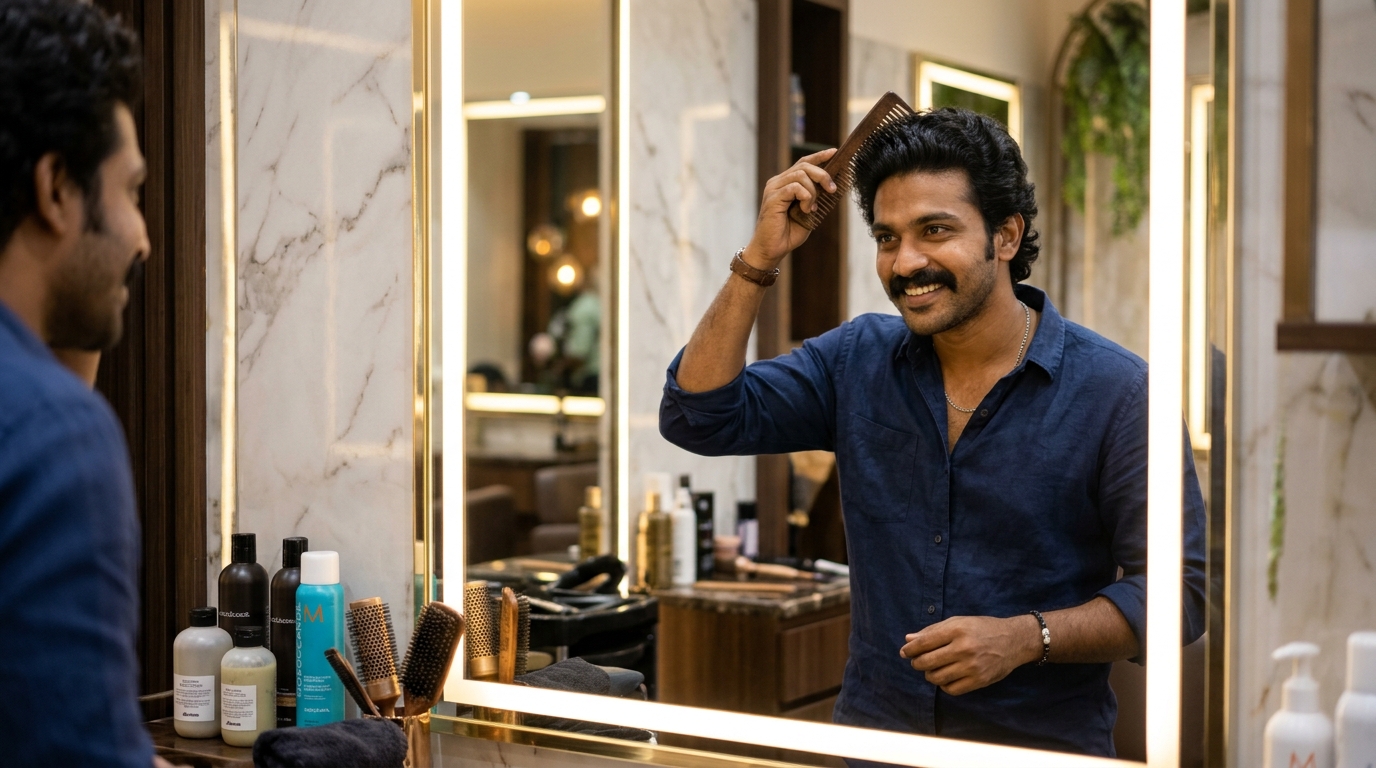 Maintenance TipsRead Article→
How Long Does a Hair Patch Last? Durability & Care Guide
Discover the true lifespan of custom hair patches, factors affecting longevity, and how regular monthly servicing extends system life in Kerala.
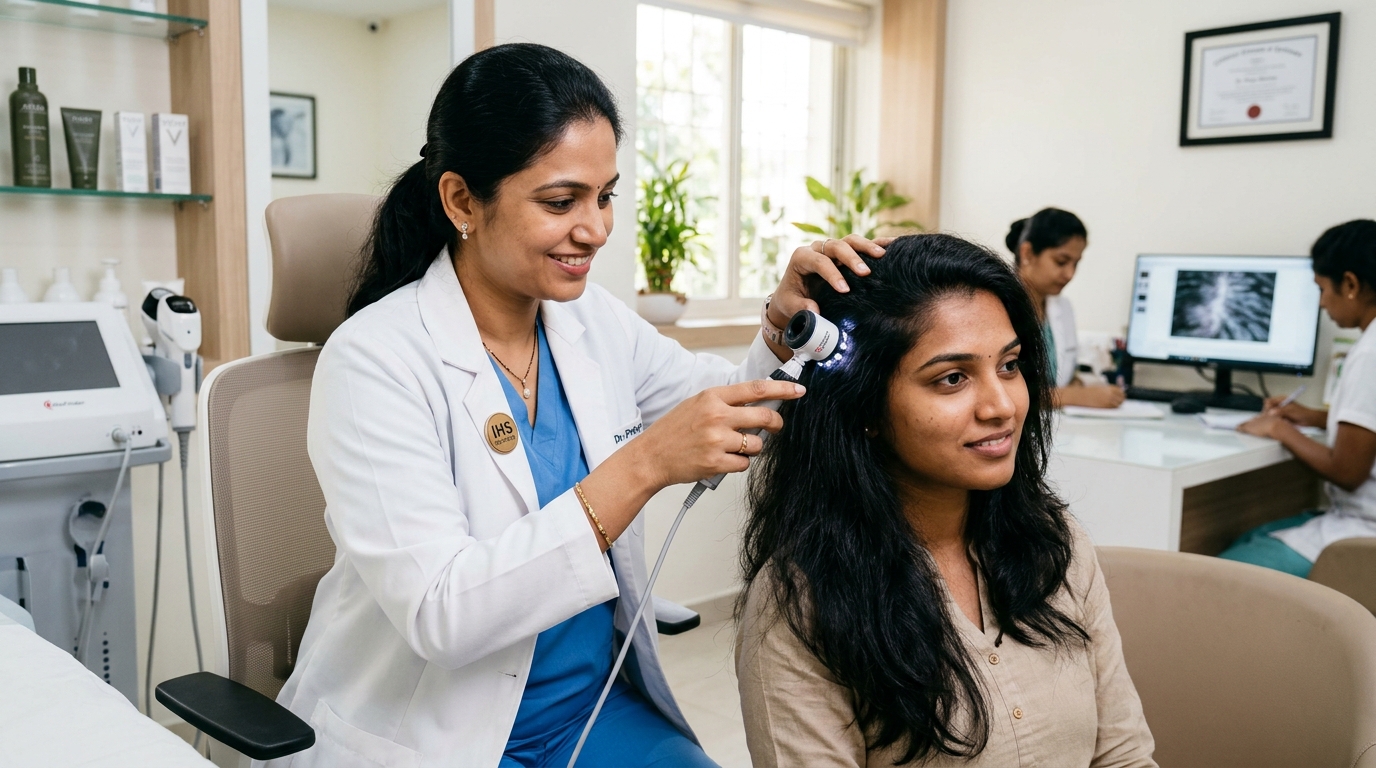 Safety & HealthRead Article→
Is Hair Fixing Safe? Dermatological Facts & Scalp Health Guide
A medical and dermatological assessment of non-surgical hair fixing safety: hypoallergenic adhesives, scalp breathing, and biological impact on natural hair.
 LifestyleRead Article→
Can You Swim, Gym, and Shower with a Hair Patch? The Ultimate Lifestyle Guide
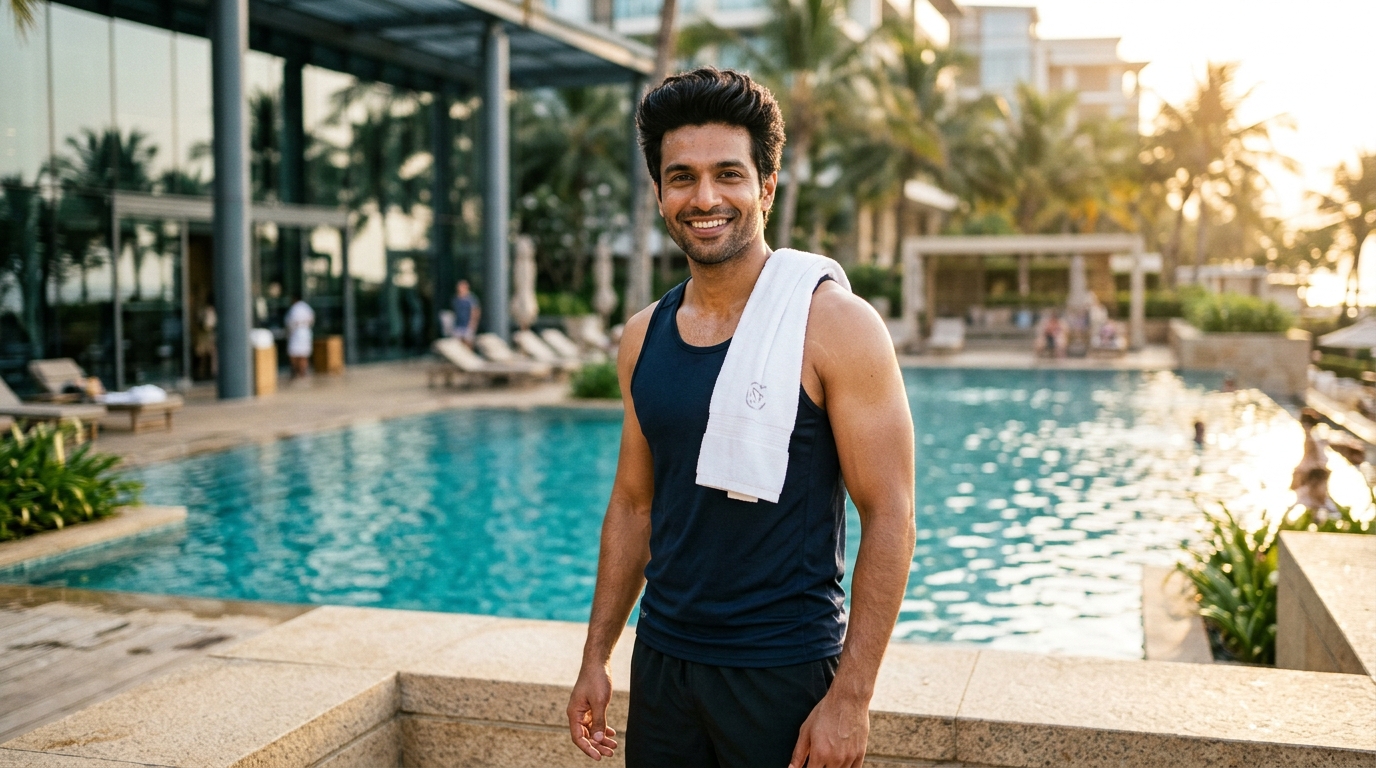
Live an unrestricted life: ride your bike without a helmet cap, dive into the pool, and wash your hair normally.
Ready for Your Natural Hair Transformation?
Book a free, 100% confidential scalp analysis at our Thiruvananthapuram or Bangalore studio. Our certified specialists will assess your scalp, match your hair texture, and recommend the ideal custom hair system.